Summary
When home care is not enough, it may be time to explore options like Assisted Living that provide consistent support throughout the day. Understanding the signs of changing needs helps families make thoughtful decisions before a crisis occurs.
- Frequent falls, missed medications, confusion between visits, or difficulty managing daily tasks like housekeeping suggest care needs are increasing
- Home care's main limitation is that support is available only during scheduled visits, leaving long stretches without assistance
- Assisted Living provides round-the-clock support, chef-prepared meals, housekeeping, transportation, and social programs that home care typically doesn't offer
- Planning the transition early allows your loved one to participate in decisions and adjust more easily to community living
- As in-home care hours increase to 20+ weekly, Assisted Living often provides better overall value by combining housing, meals, support, and activities into one predictable cost
Deciding when additional support is needed for a loved one is rarely easy. Home care can be an excellent solution for many older adults, but changing needs may eventually require a different level of support. Understanding when home care is not enough helps families make thoughtful decisions before a crisis occurs.
Recognizing the signs early allows everyone involved to plan ahead, explore options together, and choose a setting that promotes both safety and quality of life.
Recognizing the Warning Signs
As needs increase, even excellent home care may no longer provide enough support between scheduled visits. Paying attention to these changes can help families determine the right time to consider other options.
Common signs home care is insufficient include:
- Frequent falls or difficulty moving safely around the home
- Missed medications, skipped meals, or increasing confusion between caregiver visits
- Difficulty managing housekeeping, laundry, or other daily responsibilities
- Growing social isolation or loss of interest in favorite hobbies and activities
The home itself can also become more difficult to navigate. Stairs, narrow hallways, and bathrooms that were once manageable may begin creating everyday safety concerns.
Understanding the Limitations of Home Health Care
One of the biggest limitations of home health care is that support is generally available only during scheduled visits. Even when caregivers provide outstanding assistance, there are often long stretches of time when no one is present.
As care needs become more frequent, families often begin questioning the home care vs assisted living decision. While additional in-home services can sometimes bridge the gap, they don't always provide the consistency older adults need.
Home care also focuses primarily on essential support. It may not provide opportunities for regular social interaction, restaurant-style dining, housekeeping, transportation, or daily programs that contribute to overall well-being.
The Benefits of Assisted Living
For many families, transitioning from home care to assisted living provides peace of mind because support is available throughout the day instead of only during scheduled appointments.
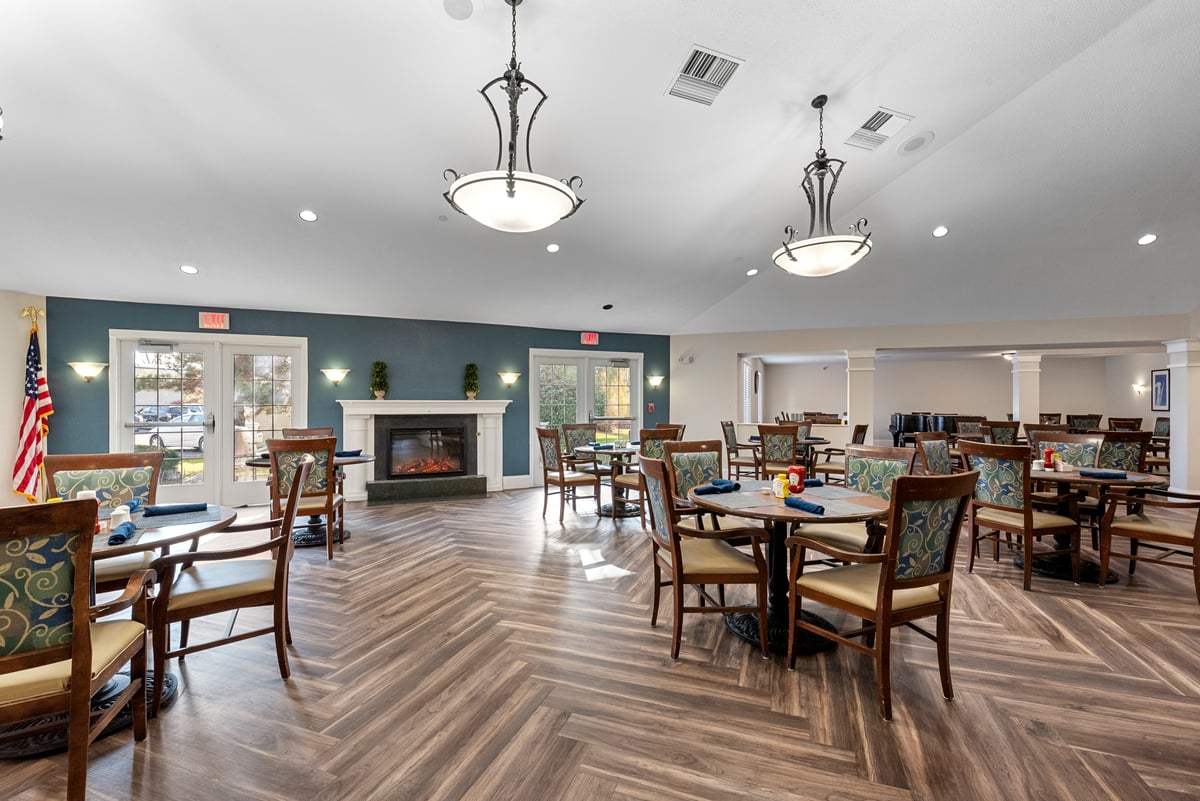
At LakeHouse New Holstein, residents enjoy personalized Assisted Living in a welcoming, neighborly environment where relationships, comfort, and familiar routines are a priority. The community's one-story design makes it easy to move throughout shared spaces, while comfortable gathering areas encourage friendships and daily connection.
Residents also benefit from:
- Restaurant-style dining with chef-prepared meals
- Housekeeping, laundry, and scheduled transportation
- Daily social, recreational, and wellness programs
- Personalized assistance whenever it is needed
Instead of coordinating multiple outside services, families have the reassurance of knowing support is available while their loved one enjoys an engaging, community-centered lifestyle.
Planning the Transition
Knowing when to move from home care often becomes clearer when families begin planning before an emergency occurs. Starting conversations early allows older adults to participate in decisions and become familiar with available options.
Touring communities together, sharing a meal, and attending an event can help replace uncertainty with confidence. Many older adults discover that moving while they can still actively participate in community life makes the adjustment much easier and allows them to build friendships more naturally.
LakeHouse New Holstein welcomes families to explore the community, meet residents, and learn how personalized assisted living can support changing needs while helping residents continue enjoying meaningful daily experiences.
Looking Beyond Monthly Costs
Many families initially focus on the financial comparison between home care and community living. However, the picture often changes as care hours increase.
When in-home support expands to 20 or more hours each week, families may find that assisted living offers greater overall value by combining many everyday expenses into one predictable monthly payment.
That value often includes:
- Housing and utilities
- Chef-prepared meals each day
- Personalized daily support
- Housekeeping and laundry
- Scheduled transportation
- Social events and enrichment programs
Beyond financial considerations, many families find that reduced isolation, increased safety, and greater peace of mind become the most meaningful benefits.
Moving Forward With Confidence
Choosing additional support doesn't mean giving up on your loved one's independence. Instead, it reflects a thoughtful commitment to ensuring they have the assistance, companionship, and opportunities they need as circumstances change.
When is home care not enough? If you're asking yourself this question, trust your observations. Recognizing changing needs early gives your family more choices and allows everyone to make decisions without the pressure of an unexpected crisis.
Schedule a visit to LakeHouse New Holstein and discover how our community can help your loved one feel supported, connected, and at home.