Protein for seniors is essential for maintaining strength, energy, and overall health as we age. According to Harvard Health, protein is crucial for building and preserving muscle, yet many older adults gradually lose muscle mass while often not getting enough protein in their diets.
Adequate protein intake supports mobility, bone health, immune function, and recovery from illness. At LakeHouse New Holstein, our assisted living community in New Holstein, just 29 miles from Sheboygan, we focus on balanced nutrition as part of personalized care plans to help residents stay strong and active.
In this guide to healthy senior nutrition, we'll explore why seniors need protein, what can happen when intake is too low, the best protein sources, and how proper nutrition supports overall health and independence.
Do Seniors Need More Protein As They Age?
Seniors often need more protein as they age. Muscle naturally declines over time, and adequate protein helps slow this loss. Protein also supports bone strength, immunity, and energy levels, all of which are important for maintaining independence.
Older adults may need slightly higher protein intake than younger adults to achieve the same muscle-maintaining benefits. Experts recommend spreading protein throughout the day with meals and snacks rather than consuming it all at once.
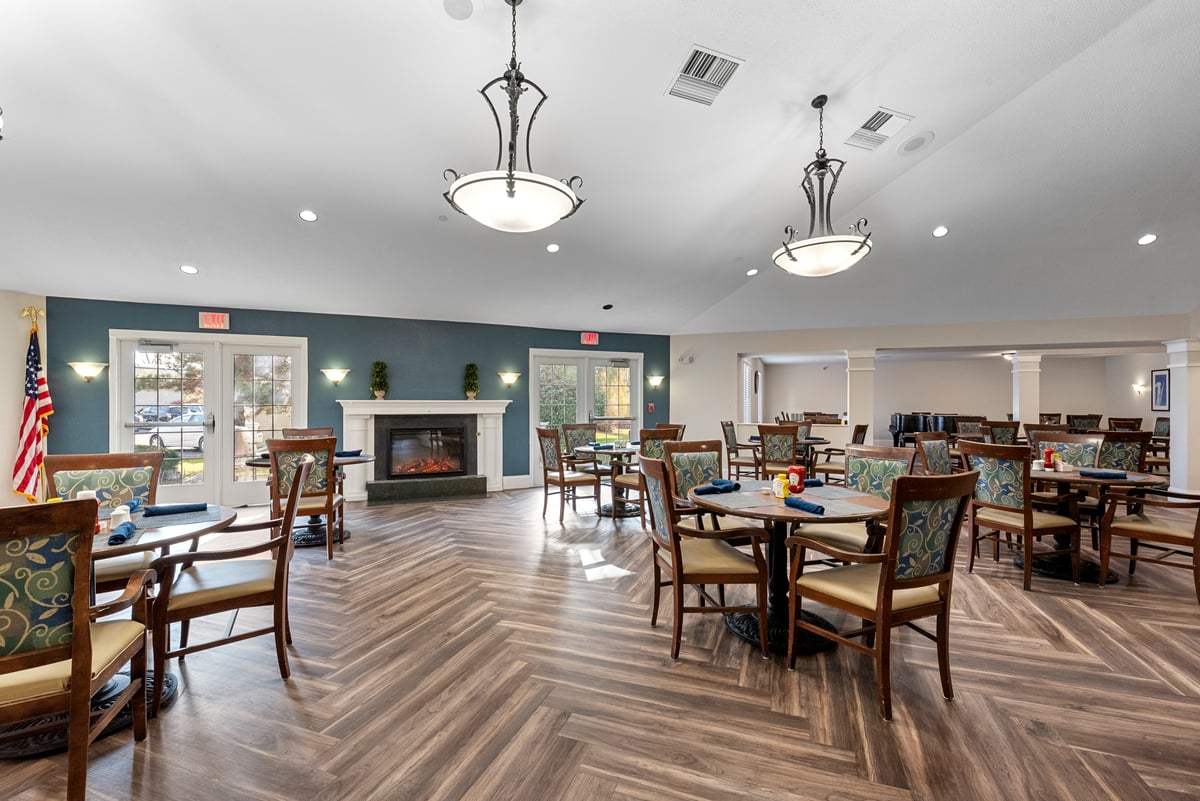
At LakeHouse New Holstein, we ensure residents receive balanced meals with sufficient protein to support their health. Our chef-prepared options include protein-rich foods like:
- Eggs
- Lean meats
- Dairy
- Plant-based alternatives
Consistent protein intake combined with gentle physical activity helps seniors stay strong, maintain mobility, and enjoy daily activities. Our community focuses on pairing nutrition with personalized care to meet each resident's needs.
What Happens When Elderly Don't Eat Protein?
When seniors don't eat enough protein, they may experience muscle loss, weakness, and reduced mobility. Low protein intake can also:
- Slow healing
- Increase fatigue
- Raise the risk of falls and injuries
Protein deficiency can affect more than muscles. It can weaken the immune system, making it harder to fight infections. Seniors may feel more tired and have less energy for daily activities or social engagement.
At LakeHouse New Holstein, our meal plans are designed to prevent protein deficiency. Residents enjoy a variety of nutritious options that include eggs, fish, poultry, beans, and dairy.
Ensuring adequate protein supports overall health and independence. Regular, balanced meals help residents participate in activities, maintain confidence, and stay active in a safe and supportive environment.
Best Protein Sources For Seniors
High-quality protein sources are key for seniors to meet their nutritional needs. Eggs, lean meats, poultry, fish, and dairy products provide complete proteins that are easy to digest.
Plant-based options like beans, lentils, tofu, and nuts are also excellent choices, offering fiber and additional nutrients. Combining plant-based and animal proteins can help ensure variety and balance in the diet.
Here at LakeHouse New Holstein, our meals incorporate a mix of protein sources to keep dining enjoyable and nutritious. Snacks such as yogurt, cheese, or hummus provide extra protein between meals.
Using diverse protein sources supports muscle maintenance, energy, and overall health. Simple adjustments to meals and snacks can make a big difference in daily nutrition and quality of life.
How Protein Supports Overall Senior Health
Protein plays a role in more than just muscle health. It helps maintain bones, supports the immune system, and can even aid cognitive function. Proper protein intake also helps with weight management and recovery from illness.
Seniors who get enough protein tend to stay more active, enjoy daily routines, and participate in social and physical activities. This contributes to the overall quality of life and independence.
Our residents benefit from personalized care plans that combine nutrition, exercise, and wellness programs.Protein-rich meals are included in every menu, supporting overall health and well-being.
Balanced protein intake ensures residents maintain strength, energy, and mobility. It's a key part of our holistic approach to senior living, helping residents stay fit and engaged.
Frequently Asked Questions
How Much Protein Should Seniors Eat Daily?
Protein needs vary depending on age, weight, and activity level, but many experts recommend 1.2 to 1.6 grams per kilogram of body weight for older adults. Spreading protein throughout the day helps with absorption and supports energy and aging.
Can Seniors Get Enough Protein From Plant-Based Foods?
Yes, plant-based sources like beans, lentils, tofu, nuts, and seeds can provide adequate protein. Combining different plant proteins throughout the day ensures seniors receive all essential amino acids for muscle maintenance.
How Can Families Support Senior Meal Support at Home?
Families can encourage protein intake by including protein-rich snacks like yogurt, cheese, or boiled eggs. Preparing balanced meals with meat, fish, or plant-based proteins can make it easier for seniors to meet their daily needs. Small, frequent meals often work best for appetite and digestion.
Are Protein Supplements Recommended for Seniors?
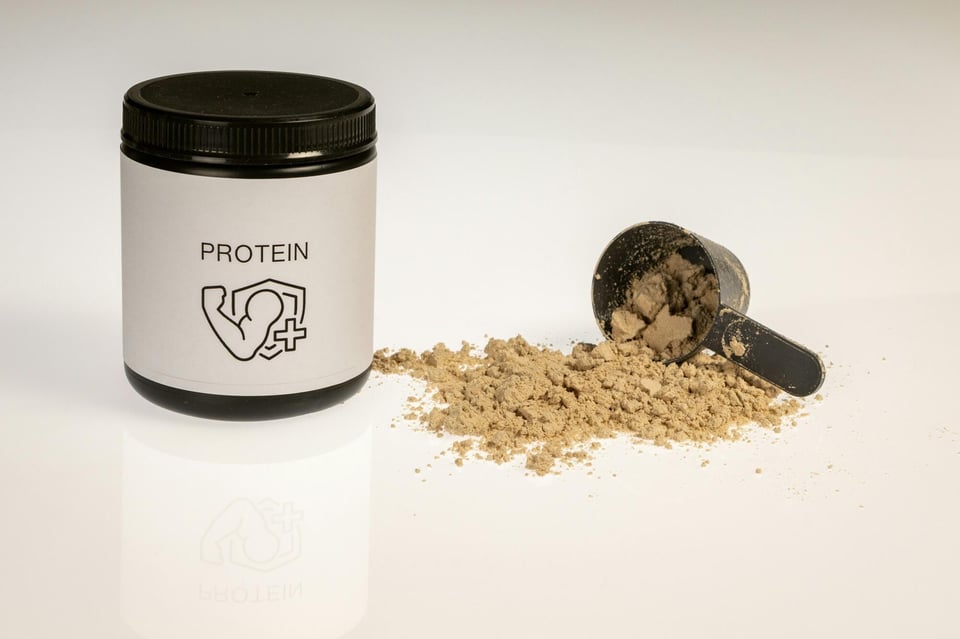
Protein powders or shakes can be useful if a senior struggles to eat enough protein through food. They should complement, not replace, whole foods and should be discussed with a healthcare provider.
How Does Protein Help Maintain Strength in Aging Adults?
Adequate protein supports muscle mass, bone health, and mobility. Combined with gentle exercise, it helps seniors maintain independence, reduce the risk of falls, and enjoy daily activities with more ease.
What Are Some Assisted Living Diet Tips for Older Adults?
In assisted living communities, staff plan meals to meet nutritional needs. Choices often include lean meats, fish, eggs, dairy, and plant-based proteins.
Residents benefit from variety, balanced portions, and options that are easy to chew and digest. At LakeHouse New Holstein, our menus are designed to support overall wellness, strength, and enjoyment of meals.
Why Protein for Seniors Matters So Much
The bottom line is that adequate protein for seniors is vital for maintaining overall health and wellness. At LakeHouse New Holstein, we prioritize balanced, protein-rich meals prepared fresh by our culinary team to support muscle maintenance, energy, and wellness.
Our unique approach combines personalized care plans with nutrition-focused dining, ensuring residents receive the right foods to thrive every day. From breakfast to dinner, our community emphasizes high-quality ingredients and variety to make healthy eating both enjoyable and effective.
Families interested in seeing how our commitment to nutrition supports senior living are invited to schedule a tour of LakeHouse New Holstein today.