Summary
Recognizing the signs your parent cannot live alone is an important step in ensuring their safety, health, and quality of life. Watch for gradual changes in daily routines that may indicate your loved one needs additional support.
- Frequent unexplained falls, bruises, or injuries suggest balance and mobility challenges that make independent living unsafe
- Declining personal hygiene, neglected housekeeping, and unopened mail indicate daily responsibilities feel overwhelming
- Missed medications, confusion about dosages, or skipped doctor appointments create serious health risks
- Social withdrawal, isolation, and loss of interest in activities affect both emotional and physical well-being
- Confusion about familiar tasks, forgotten appointments, or difficulty managing finances signal memory and safety concerns
Watching a parent age can bring a mix of emotions, especially when you begin noticing changes in their daily routines. Many adult children start asking difficult questions, such as “is it safe for mom to live alone?” or wondering about common home safety issues. In many cases, the signs a parent cannot live alone appear gradually through small changes during visits, phone calls, or family gatherings.
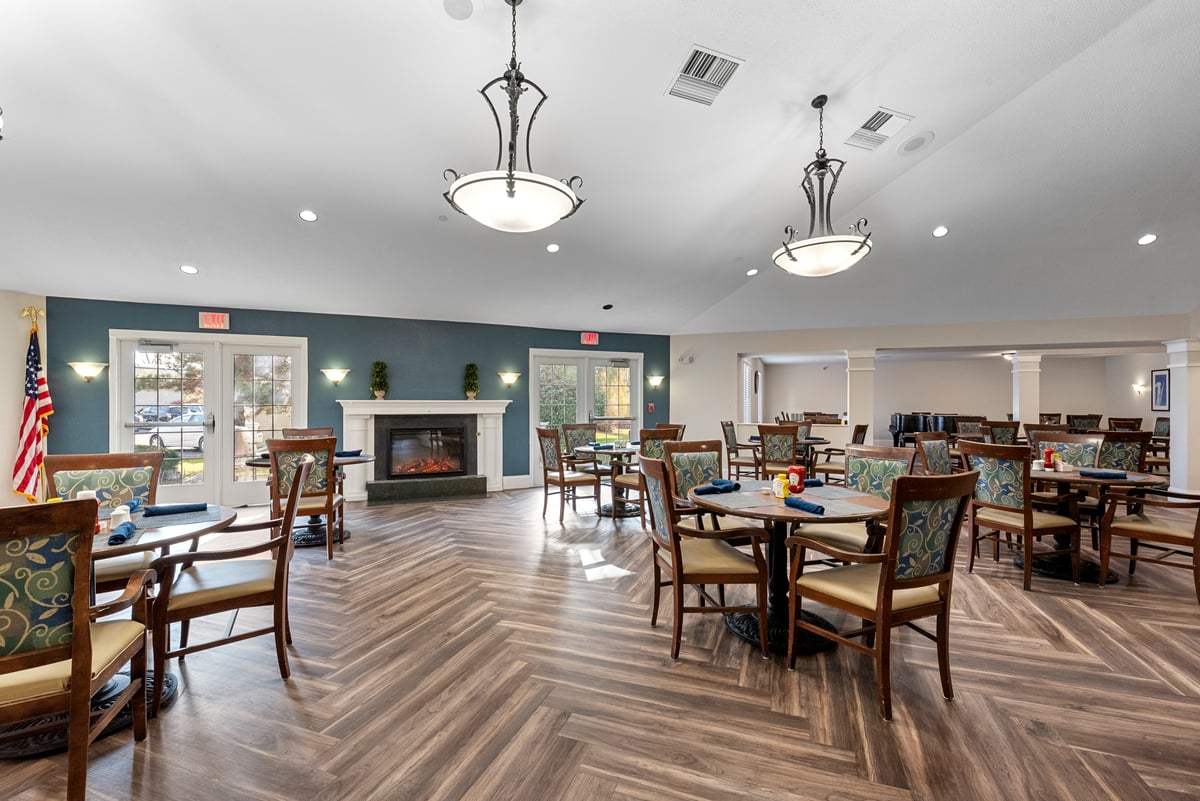
Recognizing these changes is not about taking away freedom. It is about helping a loved one stay safe, connected, and supported while maintaining dignity and quality of life. At LakeHouse New Holstein, residents benefit from a comfortable, neighborly environment with personalized support, restaurant-style dining, social programs, and welcoming shared spaces that encourage daily connection and peace of mind.
Unexplained Bruises or Frequent Falls
Falls are often one of the earliest signs that living alone may no longer be safe. If you notice bruises, scrapes, or injuries your parent cannot clearly explain, it could signal growing concerns about their ability to safely manage daily life at home. Many older adults minimize falls or avoid discussing them altogether, so physical signs may reveal more than conversations do.
Several factors can increase fall risks at home:
- Balance changes that make walking less steady
- Medications that cause dizziness or lightheadedness
- Bathrooms, stairs, or uneven flooring becoming harder to navigate safely
- Difficulty getting in and out of seated positions
When falls become more common, everyday routines can quickly become stressful and unsafe. Assisted Living communities like LakeHouse New Holstein provide thoughtfully designed spaces with fewer hazards, along with 24-hour support for added peace of mind.
Changes in Personal Hygiene and Household Upkeep
Another common sign a parent cannot live alone is a noticeable decline in grooming or housekeeping habits. You may see repeated outfits, missed showers, unopened mail, piles of laundry, or expired food in the refrigerator. These changes can suggest that daily responsibilities now feel physically or emotionally overwhelming.
Sometimes these challenges stem from mobility concerns, while other times depression, fatigue, or memory loss may play a role. Families often notice the home becoming cluttered or less organized over time.
At LakeHouse New Holstein, residents receive support with daily routines while still maintaining privacy and personal choice. Housekeeping, laundry services, chef-prepared meals, and welcoming common areas help reduce stress and create a more comfortable daily rhythm. Residents can also enjoy social events, entertainment, and shared dining experiences that encourage connection with neighbors and friends.
Medication and Health Management Problems
Managing medications correctly can become difficult with age, especially when multiple prescriptions are involved. Missed doses, duplicate medications, or forgotten appointments are all issues that families should not ignore.
Some common warning signs include:
- Expired or unopened prescriptions around the home
- Confusion about dosage schedules or refill dates
- Missed doctor appointments
- Difficulty tracking health instructions or paperwork
- Worsening health conditions due to skipped medications
Medication mistakes can quickly lead to health complications or hospital visits. Assisted living communities provide added structure and support with medication management, helping residents stay on track while giving families greater reassurance.
Social Withdrawal and Isolation|
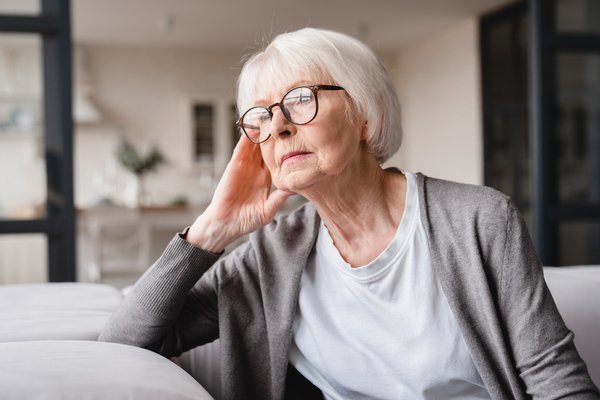
Isolation is another major concern when older adults live alone. A parent who once enjoyed outings, hobbies, or family gatherings may begin turning down invitations or spending most days alone. Transportation challenges, mobility limitations, or the loss of close friends can all contribute to loneliness.
Social isolation can affect both emotional and physical well-being. Families may notice fewer phone calls, less interest in favorite pastimes, or growing sadness during conversations.
At LakeHouse New Holstein, residents have opportunities to stay engaged and build meaningful relationships through exercise classes, daily programs, social events, shared meals, and welcoming gathering spaces. The community’s welcoming atmosphere helps residents feel connected while still respecting personal routines and preferences. For many families, this sense of built-in companionship helps ease concerns about your parent's overall health.
Confusion About Familiar Tasks or Daily Routines
Occasional forgetfulness is normal, but ongoing confusion about familiar tasks may signal larger safety concerns. Memory-related safety concerns often develop gradually, which can make early changes easy for families to overlook at first.
You may notice behaviors such as:
- Forgetting appointments or losing track of dates
- Leaving appliances on or doors unlocked
- Difficulty preparing familiar meals
- Trouble managing bills or finances
- Becoming confused in familiar surroundings
These situations can create serious safety risks over time. Understanding when seniors can no longer live alone often comes down to recognizing patterns that affect daily functioning and judgment.
Taking the Next Step Towards a Safer Lifestyle
At LakeHouse New Holstein, residents enjoy a comfortable environment that promotes safety, daily routine, and meaningful connection. Personalized support, engaging programs, shared dining experiences, and welcoming gathering spaces help residents feel connected and supported while remaining close to the New Holstein community they know and love.
Schedule a tour at LakeHouse New Holstein today to see how our welcoming senior living community can help your loved one feel supported, safe, and at home.